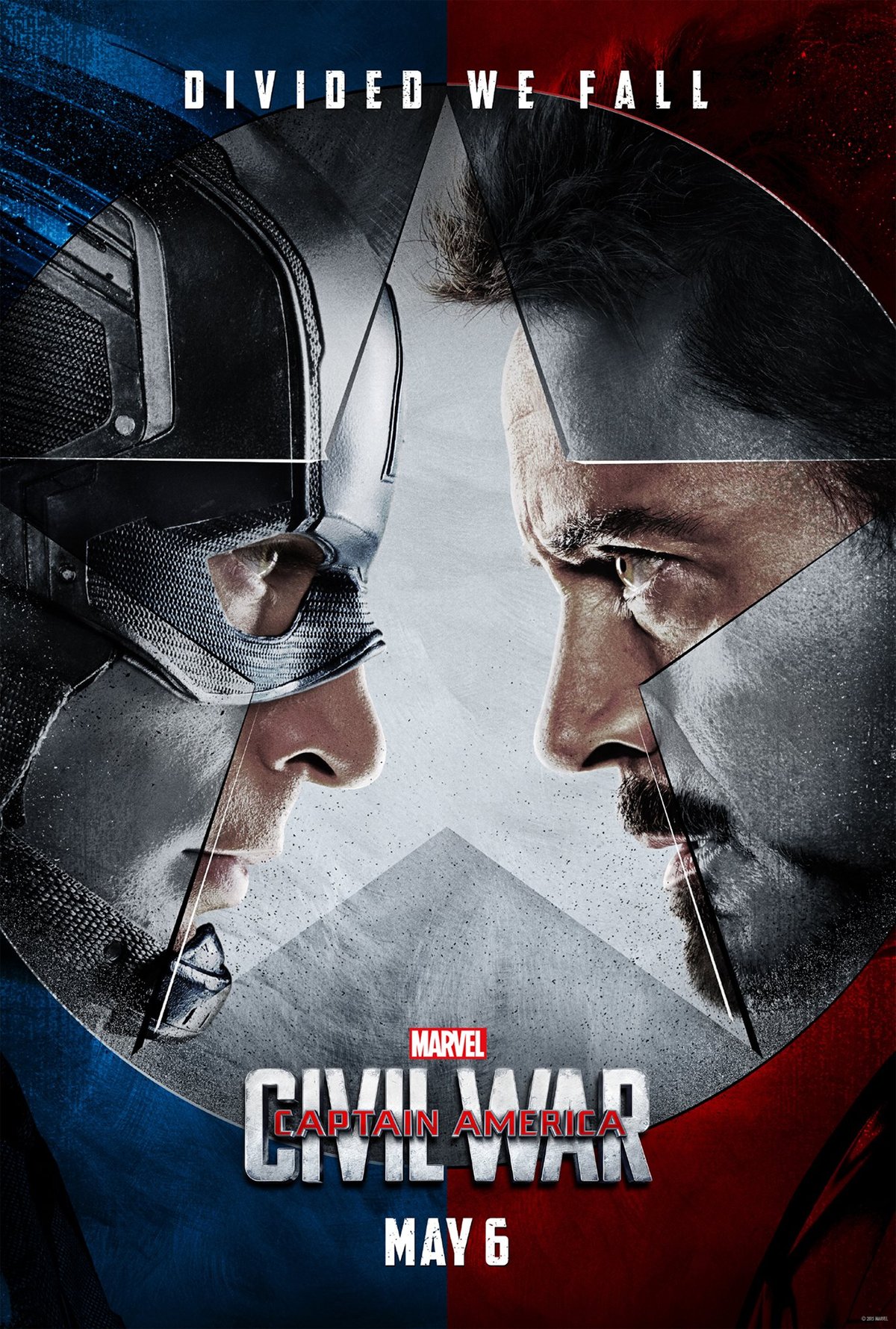
Captain America: Civil War wasn't just a blockbuster superhero film; it was a monumental feat of filmmaking, an intricate dance between colossal storytelling and groundbreaking technical execution. This 2016 Marvel Cinematic Universe (MCU) entry, directed by Anthony and Joe Russo, didn't just split the Avengers; it redefined what audiences could expect from a superhero epic, blending deeply personal stakes with action sequences of unprecedented scale. The journey of filming Captain America Civil War demanded immense coordination, innovative techniques, and a commitment to storytelling that would forever alter the MCU's landscape.
The Core Conflict: A Nation Divided, A Team Fractured
At its heart, Civil War posed a compelling question: should heroes be accountable to international oversight? This philosophical battle, ignited by the Sokovia Accords following a devastating incident in Lagos, tore the Avengers apart. Led by Steve Rogers and Tony Stark, the two factions found themselves in an emotional and physical war that resonated with audiences worldwide. The narrative skillfully wove together betrayals, personal tragedies—like Helmut Zemo framing Bucky Barnes for a UN bombing—and a shocking revelation about the Stark family, ensuring that every punch and every decision carried profound weight. This complex web of relationships and consequences demanded a production that could visually manifest such profound internal and external conflict.
Crafting the Vision: From Script to Screen
The blueprint for this epic began in late 2013, drawing inspiration from Marvel Comics' "Civil War" storyline while meticulously building on previous Captain America films. The Russo brothers, rehired in early 2014, were tasked with translating this ambitious script into a tangible reality. Their directorial vision emphasized combining intimate character moments with explosive action, often utilizing handheld cameras to give scenes a raw, gritty feel. They worked tirelessly with writers Christopher Markus and Stephen McFeely, ensuring the emotional stakes—especially the overarching theme of betrayal—remained at the forefront of every frame.
A Global Canvas: Scouting Locations and Setting Scenes
Principal photography for Captain America: Civil War was a global undertaking, commencing on April 27, 2015, at Pinewood Atlanta Studios in Georgia, which served as a primary hub for iconic locations like the Avengers facility and the Lagos market. Filming also spanned across diverse landscapes including the Metro Atlanta area, Puerto Rico (for additional Lagos scenes), Norway, Iceland (for opening sequences), and significant portions in Germany, particularly Berlin and the iconic Leipzig/Halle Airport. Capturing the distinct atmosphere of each location, from urban sprawls to icy terrains, was critical in grounding the film's fantastical elements in a believable world. To delve deeper into the logistical marvel of shooting across continents, you might want to Explore Principal Photography Logistics.
The Art of the Impossible: Blending Reality with VFX
Civil War pushed the boundaries of visual effects, seamlessly integrating CGI with practical elements to create breathtaking realism. The film notably utilized the customized Arri Alexa 65 digital 2D IMAX camera for about 15 minutes, particularly for the sprawling airport battle sequence, marking a first for its kind. The rest of the film relied on the reliable Arri Alexa XT digital cameras. Nearly two dozen visual effects studios contributed to the film's polished look. Lola VFX, for instance, masterfully de-aged Robert Downey Jr. for the holographic scene and refined Vision's ethereal appearance. The Third Floor extensively pre-visualized key sequences, including the entire airport confrontation. Major contributions came from Industrial Light & Magic (ILM) for the largely digital airport battle, Method Studios for the intense helicopter sequence and the climactic fight between Iron Man, Bucky, and Captain America, and Luma Pictures for Bucky's bionic arm and Iron Man's sleek new nanotech armor. Spider-Man, in his highly anticipated MCU debut, was largely rendered as a digital double for all his appearances. Discover more about how these effects brought the impossible to life by checking out Visual Effects (VFX) & Practical.
Behind Every Punch: Stunts and Choreography
The intense action sequences demanded incredible physical prowess from the cast and a dedicated stunt team. The Russo brothers placed a high emphasis on gritty, believable combat, a testament to the rigorous training undertaken by the actors. Tom Holland, debuting as Spider-Man, performed many of his character's signature acrobatic stunts, while Chadwick Boseman underwent intensive martial arts training to embody the agile Black Panther. The coordination required for the film's numerous fight scenes, from intimate brawls to the epic 12-hero showdown at the airport, was immense, pushing the boundaries of what could be achieved safely and effectively on screen. For an insider's look into how these unforgettable sequences were brought to life, you can Mastering Action Scene Execution Learn Stunt.
Assembling the A-Team: Cast and Crew Dynamics
Bringing together an ensemble cast of A-list actors like Chris Evans, Robert Downey Jr., Scarlett Johansson, and introducing newcomers Chadwick Boseman as Black Panther and Tom Holland as Spider-Man, presented unique logistical challenges. Coordinating their busy schedules across various international locations was a Herculean task. Despite the scale, the Russo brothers fostered an environment where cast and crew could collaborate closely, ensuring that every performance and every technical decision served the emotional core of the story. The physical demands of stunt work and adapting to varied weather conditions at different filming sites also tested the team's resilience. The camaraderie and challenges faced by those behind and in front of the camera are truly fascinating; to hear more about their experiences, Explore Cast & Crew Experiences.
Building Worlds: Set Pieces and Production Design
The production design team faced the monumental task of creating diverse, detailed environments that felt authentic, from the bustling streets of Lagos to the high-tech interior of the Avengers facility and the desolate Siberian bunker. Practical sets and props were utilized wherever possible to provide tangible environments for the actors and to minimize reliance on green screen, enhancing the realism that the directors sought. The extensive pre-visualization work done by studios like The Third Floor was crucial in planning complex sequences, allowing the production designers to build and dress sets that seamlessly integrated with both practical and digital elements. Overcoming these creative and logistical hurdles was paramount to achieving the film's immersive quality. Discover more about the intricate art of crafting these cinematic worlds by checking out Production Design & Set Construction.
The Sonic Landscape: A Score That Resonates
Henry Jackman returned to compose the score for Captain America: Civil War, delivering a more symphonic and orchestral sound compared to his previous work on Captain America: The Winter Soldier. He skillfully balanced existing character themes with new motifs for the "Civil War" conflict itself, ensuring the music enhanced the emotional depth without biasing the audience. The score underscored the gravitas of the decisions being made and amplified the impact of every action sequence.
A Lasting Legacy: Impact and Innovation
Captain America: Civil War premiered on April 12, 2016, and quickly became a critical and commercial triumph, grossing over $1.153 billion globally. It was lauded not only for its thrilling action and stellar performances but also for its thematic complexity and emotional resonance. The film set a new benchmark for superhero storytelling, proving that blockbusters could deliver profound emotional depth alongside spectacular action. It reshaped the MCU, laying critical groundwork for future epics like Avengers: Infinity War and Avengers: Endgame, and cemented the Russo brothers' reputation for delivering high-stakes, character-driven narratives. This film wasn't just another installment; it was a pivotal moment, demonstrating the power of collaborative vision and relentless innovation in filming Captain America Civil War.
The intricate process of bringing this conflict to the big screen, from story conception to final visual effects, stands as a testament to the dedication and ingenuity of thousands of filmmakers. Its impact continues to be felt throughout the superhero genre, inspiring new generations of storytellers and audiences alike.